
The exhibition design industry is undergoing a significant shift as artificial intelligence (AI) tools integrate into creative workflows. These technologies have streamlined the production of initial concepts, 3D visualisations, and draft scripts, allowing designers to move from ideation to preview at unprecedented speeds. For directors and designers, the barrier to generating presentation-grade assets has lowered, fundamentally changing how we allocate time during the pre-production phase.
But as production becomes easier, the real question is no longer how much we can create. It is whether what we create still carries meaning.
At its core, storytelling for spaces – weaving a cohesive narrative through a physical environment – remains a distinctively human task. While AI can process data and mimic styles, it cannot detect the unspoken cultural nuances, historical sensitivities, or site-specific constraints that define a successful exhibition. Impactful storytelling requires a level of contextual judgment and decision-making that algorithms cannot replicate.
Speed vs Specificity
It has become remarkably easy to generate compelling paragraphs and sharp hooks using large language models. However, a fast-generated story is not automatically an appropriate one. In exhibition design, every word must be weighed against the physical environment and the specific demographic of the visitor. AI often defaults to “hallucinations” or generic tropes that may sound authoritative but lack emotional resonance or thematic alignment. A headline might be catchy, but if it fails to align with the site heritage or the client’s strategic goals, it becomes a distraction rather than an anchor for the experience.
From Information Density to Emotional Relevance
A common pitfall in the age of AI is mistaking information density for interpretive depth. AI excels at aggregating facts, but an exhibition is not a textbook. Effective storytelling involves the strategic curation of information – knowing what to leave out is as important as what to include.
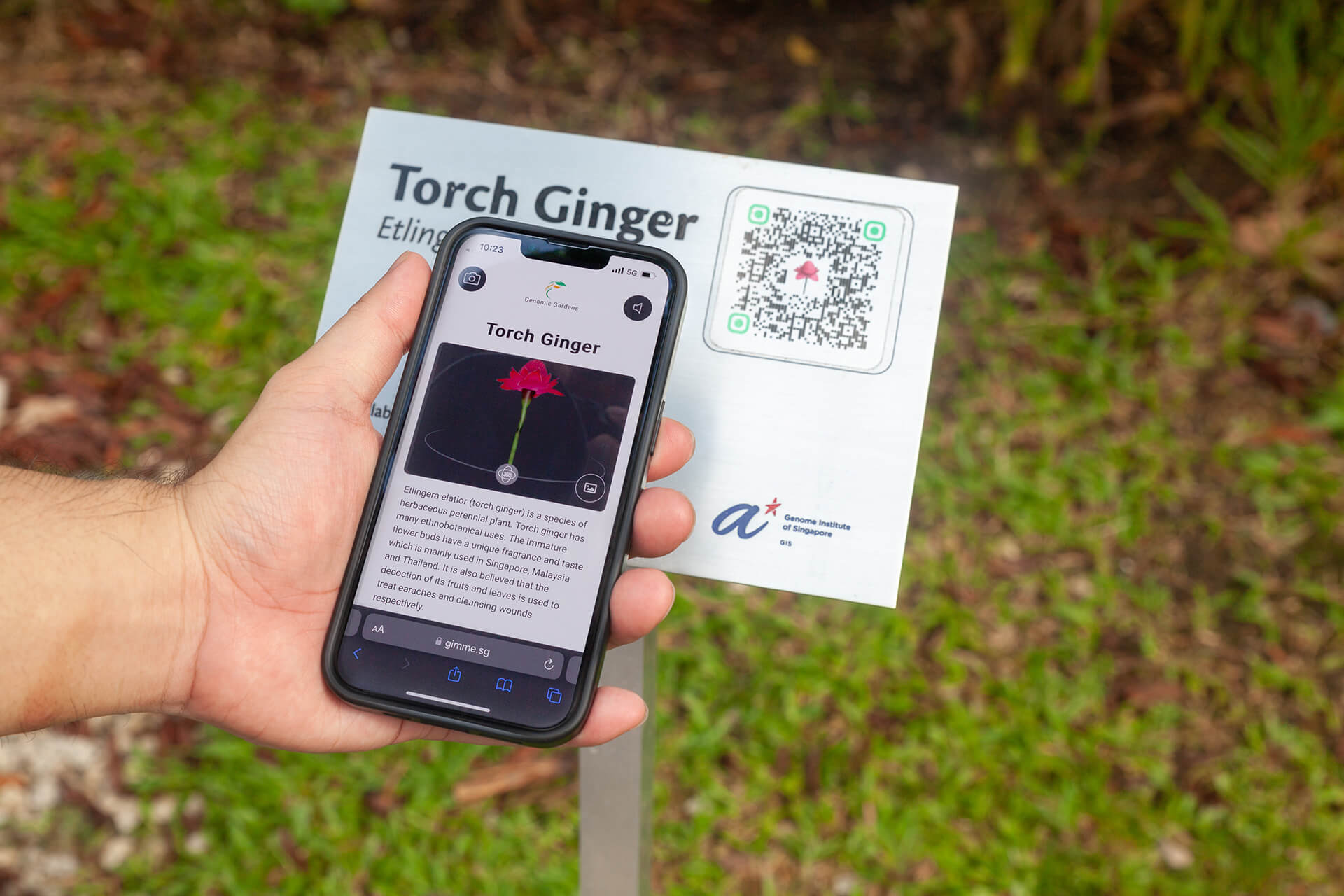
To create a memorable journey, designers must engineer emotional highs and lows. This requires an understanding of human psychology and spatial flow: where to offer a moment of quiet reflection, and where to introduce a high-impact sensory element. Visitors do not form emotional attachments to data points; they connect with narratives that mirror human experiences. This calibration of resonance remains the responsibility of the human designer.
Why Methodology Matters More Now
As AI tools become ubiquitous, the value of a rigorous design methodology increases. At HOL, our CRM™ framework defines what the experience must communicate, how it should make people feel, and what it should ultimately move them to do. It acts as a critical filter, setting the standards for quality and authenticity that go beyond what an automated tool can generate. While AI can produce a visually polished result, a methodology-driven process ensures that every design choice is backed by a clear rationale, serving long-term objectives rather than just filling space with generated content.
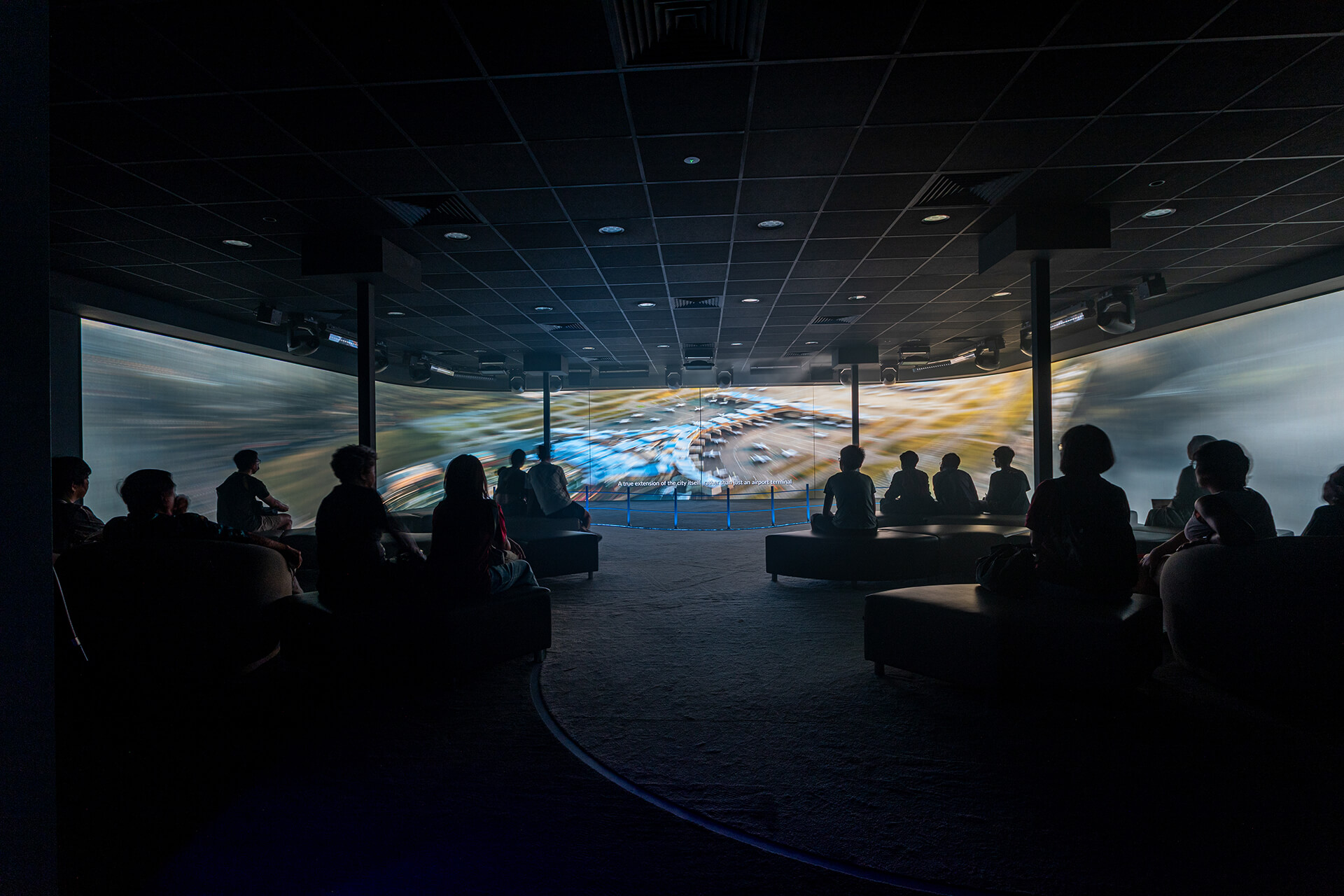
Closing Perspective: What AI Cannot Replace
AI is a powerful assistant, but it cannot replace the role of the storyteller. A successful exhibition requires the precise alignment of four critical contexts: the audience, the client’s vision, the physical space, and the story to be told. This is where storytelling becomes a discipline, not just an output.
As AI gets more integrated into creative production, the value shifts to the ability to shape meaning with clarity and intent. Efficiency is a technical achievement, but resonance is a human one. That balance is what will define the next generation of great experiences.