
Every destination leader knows the feeling. The ribbon is cut. The photographs are taken. The VIPs applaud. Then, the next morning comes.
That “Day After Opening” is when the real test begins. Opening day proves you can launch; the following 365 days prove you can endure. Most destinations don’t lose relevance because the concept was weak. They lose relevance because the experience was never designed to stay alive after the launch team left.
Here is the shift: A destination is not a one-time event. It is a living asset. And living assets need a rhythm, ownership, and a plan for renewal.
Why Destinations Lose Momentum (The “Day 2” Problem)
Across museums, attractions, districts, and civic precincts, the same patterns of decline appear:
- The “Seen It All” Effect: When an experience stays static, returning feels like repeating—not rediscovering.
- The “Big Upgrade” Trap: Teams rely on massive, expensive overhauls to refresh interest. These take years. In the interim, relevance quietly decays.
- The Ownership Void: Without clear ownership, interactive layers break, content becomes stale, and what was once premium slowly becomes… just acceptable.
These are not creative failures. They are operating failures. The fix isn’t “more marketing.” The fix is designing the post-launch life as part of the experience itself.
The 365-Day Operating Discipline
Resilient destinations, those that remain magnetic years after launch, have three things in place from the start:
- A Narrative Spine
- A Return Rhythm
- Clear Stewardship
1. The Narrative Spine (The Promise You Keep)
At HOL, we always begin with a core discipline: What is the story to tell?
To endure, that story needs to become a single promise your destination keeps delivering—no matter what gets refreshed. A useful format is: “This place helps people ______.” Here are three examples grounded in our work:
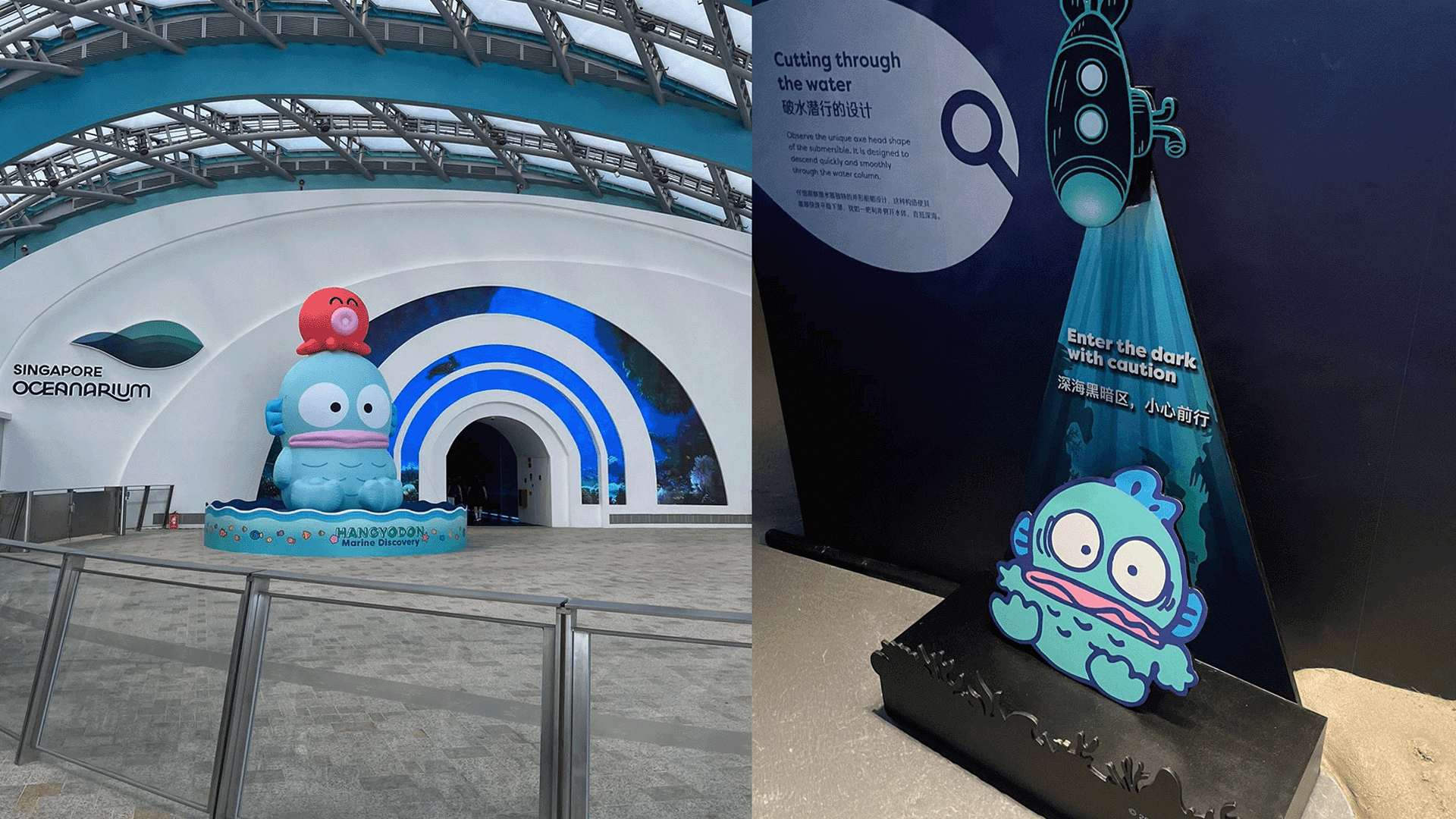
- Singapore Oceanarium: “This place helps people fall in love with the ocean—and leave wanting to care for it.”
- T5 In the Making: “This place helps people feel proud that Singapore creates the future it wants—by planning ahead, not waiting for it.”
- Singapore Discovery Gallery: “This place helps Singaporeans see the possibilities ahead—and imagine what we can build together.”
This spine is your filter. It prevents refreshes from becoming random “activities” and makes leadership decisions faster: does this update serve the spine? If not, cut it.

2. The Return Rhythm (Actionable, Not Abstract)
Destinations that endure don’t constantly reinvent themselves. They do something more sustainable: they give visitors a reason to return at predictable intervals. The question for leaders is simple: What will be new in 30, 60, 90, and 120 days? Here is a rhythm that is actually sustainable:
30 Days: A Visible “Signal of Life” Small updates that make repeat visitors feel the space is active.
- A “Moment of the Month”: One scene or story highlight that rotates monthly.
- A New “Quick Route”: A curated 8–12 minute path (e.g., “For curious minds” or “For busy parents”). Minimal build, maximum utility.
- A Micro-Upgrade: A new prompt or reveal on an existing interaction.
60 Days: A New Lens (Not a New Build) Re-curate what is already there using a specific theme.
- Example: A “People Behind the System” lens. Add 3–4 story call-outs spotlighting the engineers, builders, or operators. The infrastructure stays the same; the depth increases.
90 Days: A Seasonal Shift A quarterly reason for casual visitors to return.
- Fresh sensory pacing (soundscapes/lighting).
- A limited-time narrative chapter that feels like a meaningful event, not a promo.
120 Days: The Anchor Moment A stronger pulse point to reset public attention.
- A signature programme or major rotating feature that signals: We are still evolving.
The Rule: If your strategy depends only on big upgrades, you will stall. Longevity is built on small, frequent shifts.
3. Clear Stewardship (The Anti-Drift System)
After opening, destinations do not run themselves. They need three specific roles working as a system:
- The Story Steward: Owns the promise. They protect the narrative coherence so updates don’t dilute the message.
- The Experience Steward: Owns the “premium feel.” They monitor flow, comfort, and pacing long after the opening glow fades.
- The Content & Systems Steward: Owns functionality. They ensure accuracy and interactive health so the experience never looks “tired.”
Together, they answer one question: Is the experience still operating at the standard set on Opening Day?
Summary: The 3 Questions for Leaders
If you take only one thing from this playbook, let it be these three questions. Ask them before you build:
- What is the one-line story this place must deliver—every single day?
- What will be new in 30, 60, 90, and 120 days that gives people a reason to return?
- Who owns the story, the experience, and the freshness after the launch team leaves?
Those three answers are often the difference between a destination that remains magnetic—and one that slowly fades into the background.