
In the classic film Field of Dreams, a farmer is famously told, “If you build it, he will come.” It’s a powerful line that speaks to faith and vision. For years, a similar philosophy quietly guided the creation of many public spaces – museums, attractions, and expos. The belief was that a magnificent building, a world-class collection, or a dazzling technological display was enough to guarantee success.
But in today’s world, that thinking on its own is no longer enough to guarantee success. It’s a high-stakes gamble.
Audiences are not empty vessels waiting to be filled with information; they are active participants seeking genuine connection and meaning. A beautiful space without a clear purpose is like a book with a stunning cover but no story inside. It may attract initial curiosity, but it won’t create a lasting impression or inspire a meaningful change in perspective.
The most resonant and impactful experiences – the ones that stick with us long after we leave – are not built on the hope that an audience will simply show up. They are built on a deep understanding of why they should.
This requires a fundamental shift in approach, moving from a construction-first to a purpose-first mindset.
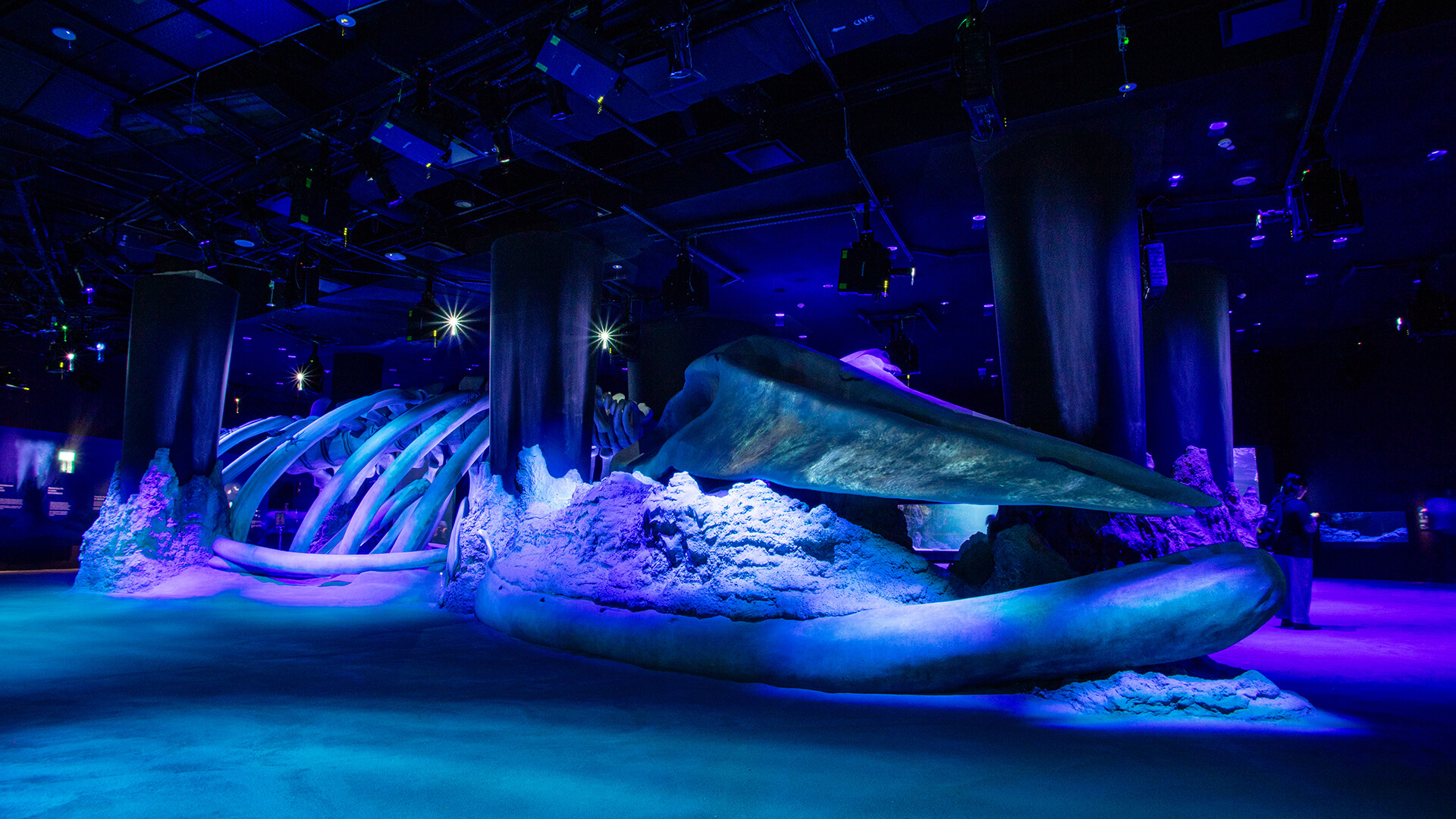
Take for example, our role as interpretive storyteller for the Singapore Oceanarium. A “build it” approach would be to construct the largest tank possible and fill it with impressive marine life. But the purpose – the “why” – was far deeper. The goal was to forge a connection to conservation and tell a unique story of the ocean’s past, present, and future.
This purpose became the strategic blueprint. The experience isn’t just a series of tanks; it’s a narrative journey divided into zones like “In the Beginning,” “The Abyss,” and “Into the Deep.” The “why” (the story) dictated the “what” (the physical design), transforming a potential animal-in-a-box display into a compelling, emotional, and educational journey.
This purpose-first mindset redefines how the experience is delivered. It clarifies that the solution isn’t always a massive, physical build. Instead, the purpose guides the form, which in some cases, might be a highly effective digital trail or a community-led programme that is more targeted and impactful than a simple new building.
When we worked with Esplanade – Theatres on the Bay, Singapore’s national performing arts centre, the challenge was to engage families and young children who might find the iconic institution intimidating.
A “build it” solution might have been a static children’s corner or a few info-plaques. But the purpose was to create active, playful engagement. This led to “Pip’s Trail,” a gamified digital quest where children help a mascot find its missing scales by exploring the building. The result was a 10-minute average dwell time (compared to an industry average of 2-4 minutes) and a membership conversion rate significantly above the benchmark. The simple, story-driven purpose defined the successful outcome.

This same logic applies to capturing heritage. For the Geylang Serai Heritage Gallery, the purpose was not just to present a timeline of the precinct. It was to capture the spirit of the place, which lives in its people. The “why” was about community memory. Therefore, the “what” became an experience built around the “memories and contributions of past and present residents,” making the community the true authors of the experience.
The “build it and they will come” philosophy puts all its faith in the physical structure. A purpose-driven approach, however, puts its faith in the audience. It trusts that if you build an experience with a clear, compelling, and empathetic story at its heart, you will do more than just attract visitors.
You will create a space that resonates, inspires, and endures.