
When was the last time you laughed in an exhibition? Or felt something catch in your chest? Or caught yourself lingering at a display long after you meant to move on?
Not because of something you learned, or how impressive the production was. But because somewhere along the journey, you cared – without quite deciding to.
Emotional impact of this kind is hard to achieve. Which is exactly why we see it so rarely. In our experience, organisations invest seriously in content quality and visual execution, and rightly so. What is less often considered is emotional sequencing: the deliberate design of how visitors’ feelings build, shift, and resolve across their journey.
Without that, even well-produced experiences leave audiences with information but no coherent feeling. They enjoy the visit. They do not remember it.
At HOL, the antidote to this is what we call emotional resonance by design. It is the craft of designing evocative experiences that leave a visitor moved, not just informed.
Emotional intent is not the same as emotional design
Most institutions do not lack emotional ambition. The museums, galleries, and public exhibitions we work with almost always want their audiences to feel something. That intention is in the brief, in the brand guidelines, in the stakeholder conversations.
What is often missing is the architecture. A considered sequence of how feelings arrive and build across the experience. Without it, projects can become emotionally inconsistent. Individual moments land. The overall experience does not.
This matters especially in civic, cultural, and educational spaces, where the goal is rarely attendance alone. It is deeper understanding, stronger public connection, changed perspectives, and sometimes specific post-visit actions. If the intended outcome goes beyond footfall, emotional sequencing belongs at the centre of the design challenge.
Evocative does not mean theatrical
There is a common assumption that emotional engagement requires drama, spectacle, or sentimentality. It does not.
Some of the most evocative experiences we have encountered arrive quietly. A single artefact placed at a moment when the visitor is still and receptive. A change in scale that shifts the pace of movement through a space. A line of text positioned where reflection is already happening.
What separates a memorable visit from a forgettable one is rarely production value. It is the discipline of deciding, at each stage of the journey, what the audience should feel – and working backwards from that feeling to the specific choices that produce it.

A useful lens: story genre
One of the most practical tools for creating emotional resonance is a deceptively simple question: What is the story genre of this experience?
Genre, used strategically, shapes how visitors orient themselves and move through a space. When genre is clear, visitors intuitively know what kind of journey they are on. When it is absent, they end up simply receiving information without an emotional frame to hold it.
Is the experience best understood as an investigation, where curiosity and revelation pull the audience forward? A romance, where the audience connects deeply with the subject and cares about the outcome? A coming-of-age story, where visitors arrive one way and leave with something shifted?
Each genre points toward a different pacing logic, a different relationship between content density and breathing space. Getting this right early changes almost every downstream decision.
The Singapore Oceanarium: A love story that inspires advocacy
In an experience built around marine life and conservation, the instinct is often to lead with facts. Ocean coverage. Species loss. Plastic pollution. All important and true.
But facts alone rarely produce protective behaviour. Protective behaviour is almost always built on attachment. People act to protect what they already care about.
So the design question shifts. How do you help audiences care before asking them to confront what is at stake?
The genre we worked with was a romance, with a straightforward structural logic: wonder first, then affection, then concern, then motivation. The audience encounters the marine world at its most magnificent before learning how fragile it is. By the time the harder information arrives, they care deeply about what they’ve learned to cherish.
The sequence changes how the same content lands. Concern without prior affection tends to produce anxiety or detachment. Concern that follows genuine affection produces something closer to protectiveness. The emotional order determines the outcome.

Other genres, other outcomes
The Singapore Oceanarium is one example. The genre framework is the wider point.
The Albatross File: Singapore’s Independence Declassified exhibition leaned into investigation: mystery, anticipation, and the satisfaction of revelation. Audiences left with a feeling of having uncovered something themselves, which is a fundamentally different kind of memory from simply being given information.
The Unnatural History Museum of Singapore used irony and productive discomfort to challenge assumptions about Singapore’s resource history. The intended residual feeling was not warmth but a thoughtful unease – the kind that continues working on you after you leave.
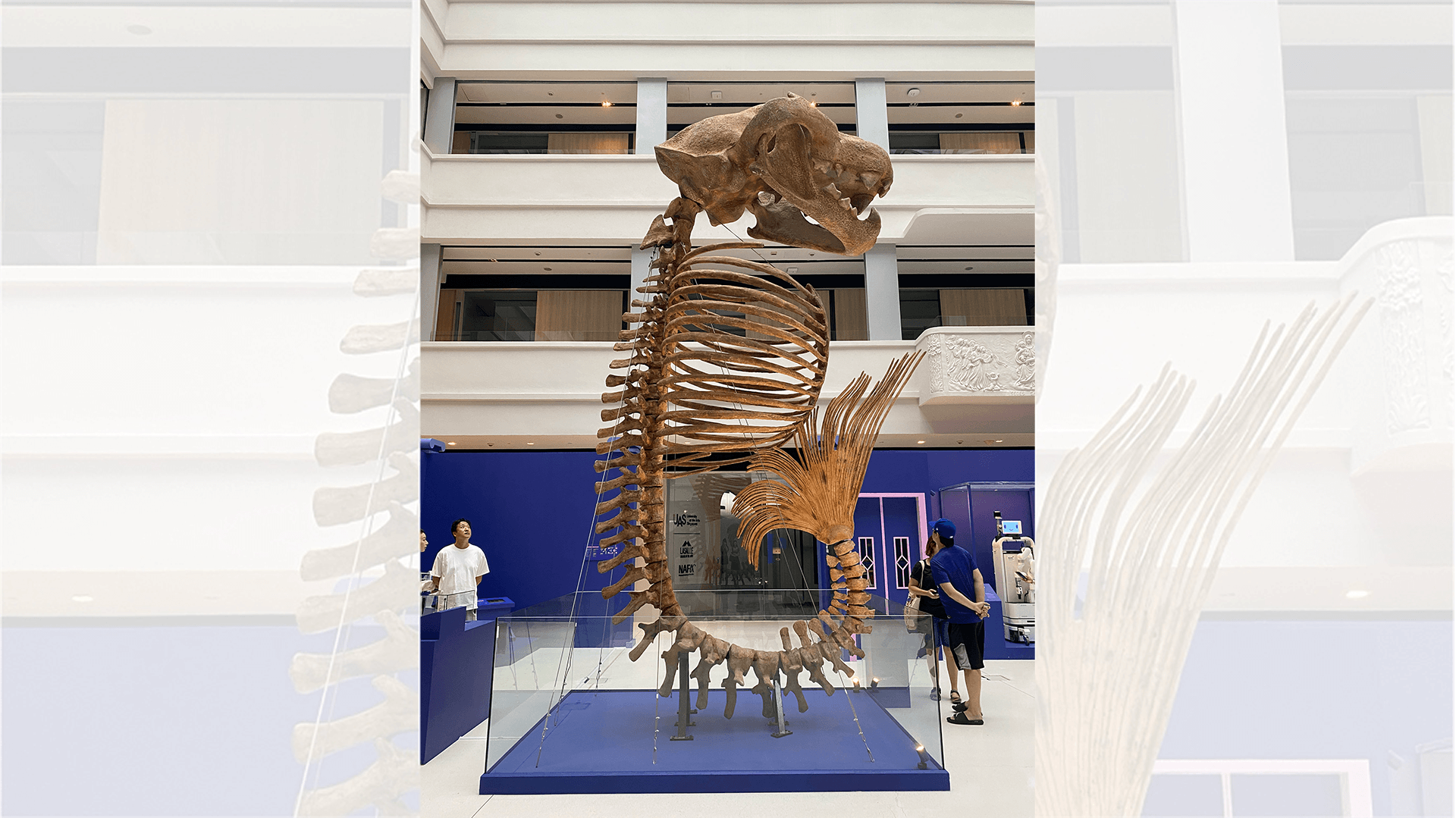
A civic gallery serving a broad public might prioritise dignity, trust, and collective ownership over excitement. The emotional architecture is quieter. The genre is closer to a letter to the community, written with care and designed to be read slowly.
Different projects need different emotional engines. The craft is in identifying the right one early and holding to it.
How this shapes design decisions
At HOL, emotional resonance is built into the design process from the beginning.
That means asking certain questions before the interpretive content is written or the spatial layout is finalised. What should visitors feel in the first 90 seconds? Where in the journey should the pace slow down? What does a deep emotional connection look like when the audience leaves?
These are not secondary questions. They determine how content is sequenced, where narrative depth is introduced, and how the physical and digital (if any) experiences interact. They also affect institutional outcomes directly: brand recall, consumer advocacy, return visits, and public trust.
Emotional resonance is the strategy
In high-stakes projects, emotional design is sometimes treated as the finishing layer. The thing addressed once the content is agreed, the AV brief is locked, and the budget is set.
That sequence tends to produce experiences that are technically accomplished but emotionally thin.
Emotional resonance is not just about moving audiences in the moment. They are about creating the conditions for people to care – and to carry that care into how they think, speak, or act after they leave. That design ambition requires the same rigour and deliberate decision-making as any other part of the process.
This is not feelings for feeling’s sake.
It is strategy.